
The Zambezi River Authority has called on pension funds, financial institutions, mining companies and other domestic investors to take an active role in financing the proposed 2,400 MW Batoka Gorge Hydro-Electric Scheme.
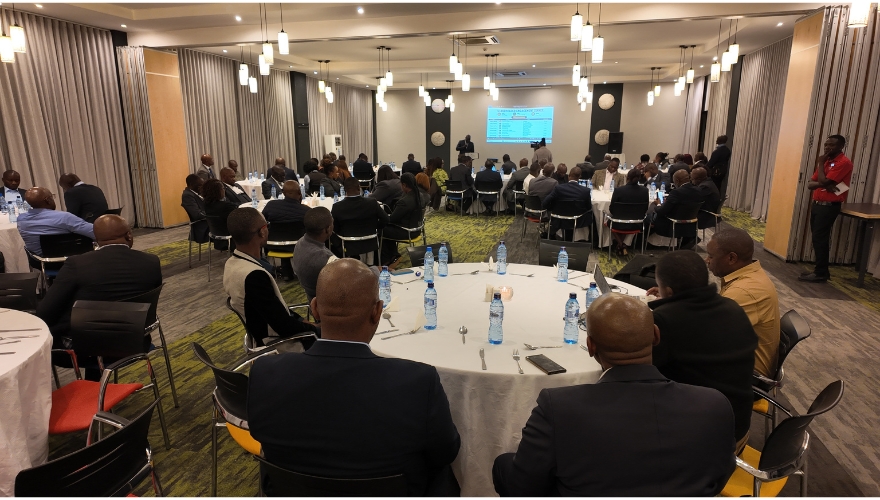
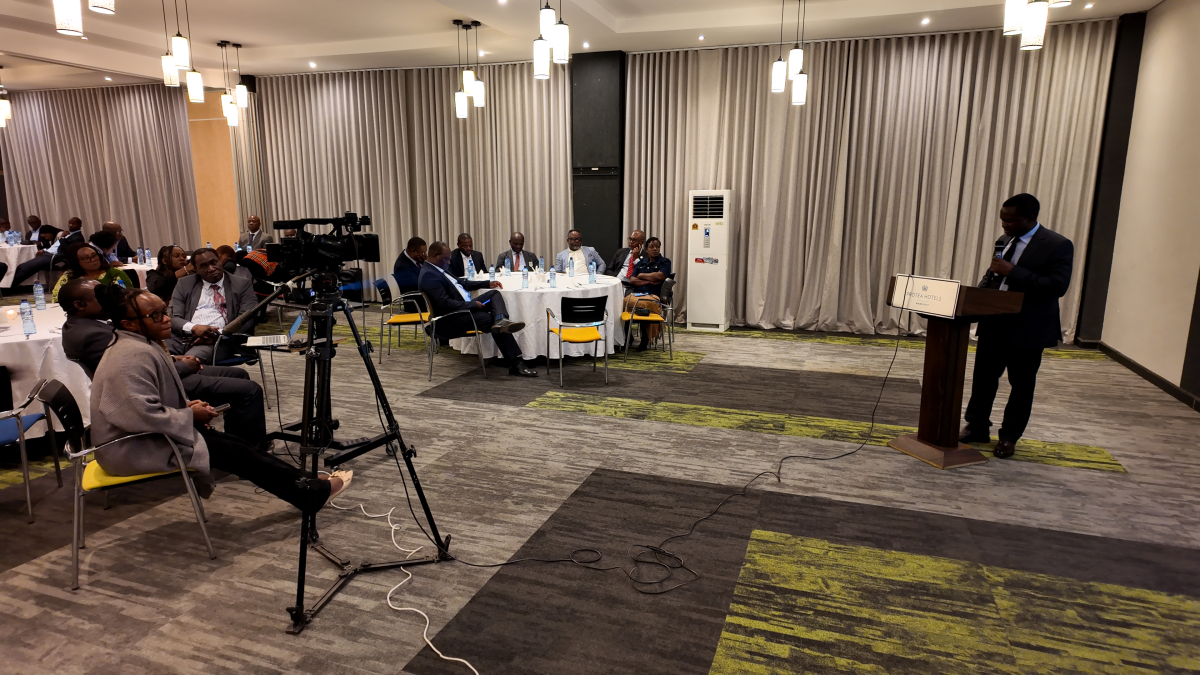
The call was made during the Authority’s inaugural Stakeholder Engagement Dinner, held on 4th July 2026 at Protea Hotel in Ndola.
The engagement brought together government officials, pension funds, financial institutions, mining companies and energy-sector leaders to discuss investment and partnership opportunities associated with the Batoka Gorge Hydro-Electric Scheme, which is being jointly developed by Zambia and Zimbabwe on the Zambezi River.
The project is expected to comprise two 1,200 MW power stations, one on each side of the river, and is being positioned as a major contributor to industrial growth, regional electricity security and long-term economic development.
Partnerships Critical to Project Delivery
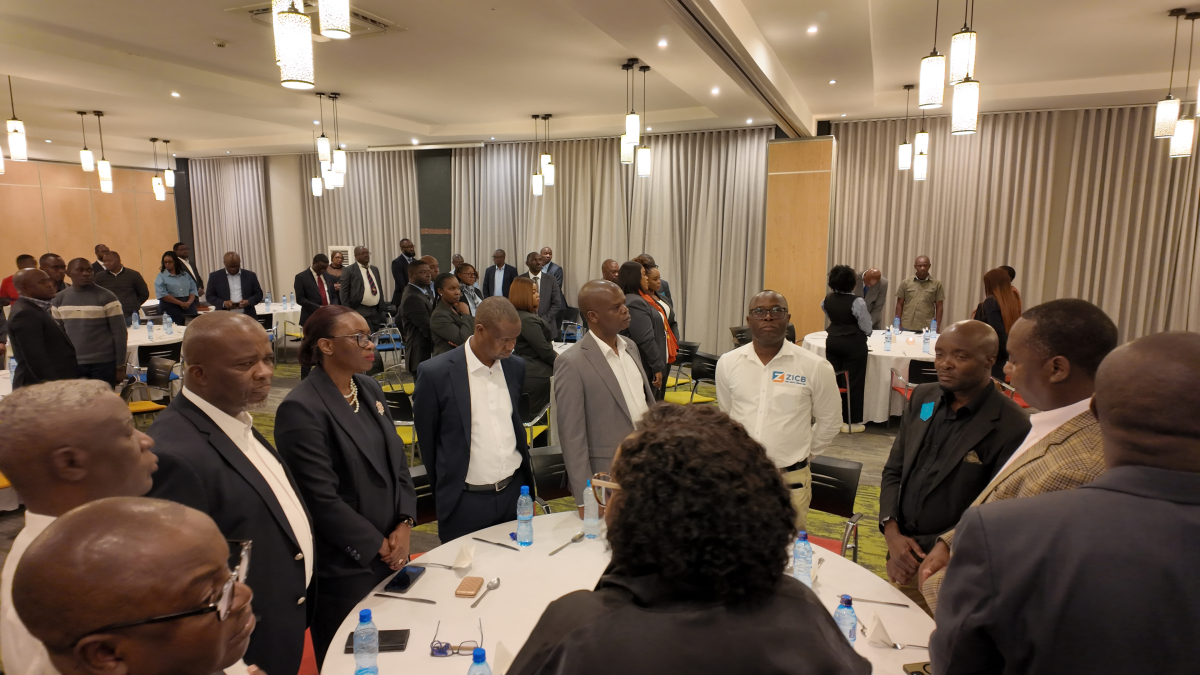
Welcoming guests, Zambezi River Authority Acting Chief Executive Eng. Christopher Chisense described the engagement as an important milestone in the Authority’s efforts to build stronger relationships with key stakeholders.
He said the dinner provided an opportunity to engage partners outside conventional formal settings while strengthening existing relationships and creating new avenues for cooperation.
Eng. Chisense said the Authority could not successfully execute its mandate in isolation, stressing that the sustainable development of the Zambezi River’s hydropower potential required continuous dialogue, mutual trust and collaboration among governments, public institutions and private-sector stakeholders.
He said the Batoka Gorge Hydro-Electric Scheme was among the region’s most significant proposed energy infrastructure projects, with the potential to improve electricity supply, support industrialisation, attract investment and strengthen regional energy security.
The engagement also provided stakeholders with an update on the BGHES Market Sounding Programme, which is intended to gather investor views and identify suitable financing, ownership and project-delivery structures.
Domestic Capital Key to Energy Development
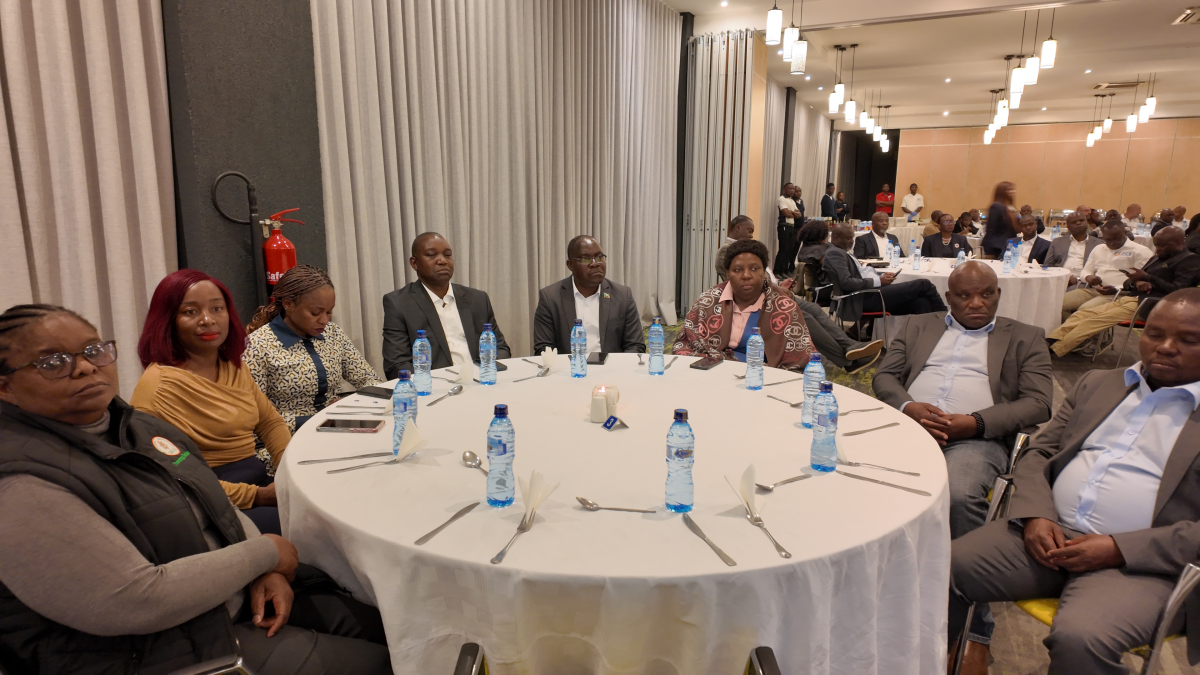
Delivering remarks on behalf of the Government, Permanent Secretary for Electricity and Authority Board Co-Chairperson Eng. Arnold Simwaba said domestic resource mobilisation would be critical to the successful development of the project.
He situated the discussion within the Zambia International Trade Fair theme, “Bridging Markets, Building the Future,” saying the theme reflected the role of energy infrastructure in connecting industries to reliable power, investors to viable opportunities and domestic capital to productive national assets.
Eng. Simwaba drew parallels between BGHES and the Kariba Dam, which was developed not only to generate electricity but also to support mining, industrialisation and broader socioeconomic development.
He said Zambia had reached a similarly important stage in its development, with national peak electricity demand projected to rise to approximately 5,422 MW by 2030.
Meeting the projected demand, he said, would require sustained investment in hydropower, solar, wind, energy storage and strengthened transmission infrastructure.
Within this diversified energy mix, BGHES could serve as a major anchor project.
“Zambia’s share of BGHES, approximately 1,200 MW, represents a significant contribution towards the national target of adding 10,000 MW of generation capacity by 2030, while also strengthening regional energy security,” Eng. Simwaba said.
While international financiers would remain important partners, he said Zambia must also harness its domestic financial resources.
He called on pension funds, social security institutions, commercial banks, capital-market participants, mining companies and energy firms to assess opportunities to participate as equity investors, project financiers, investors in infrastructure bonds, power traders, transmission partners and anchor off-takers.
Such participation, he said, would be subject to the respective mandates, investment policies and due diligence requirements of the institutions involved.
From Interest to Investment
PS Simwaba said investor confidence would depend on strong project governance, transparent procurement and financing processes, appropriate risk allocation and adherence to environmental and social safeguards.
He said the Governments of Zambia and Zimbabwe, working through the Zambezi River Authority, ZESCO Limited and the Zimbabwe Power Company had taken deliberate steps to ensure that the project was developed within sound governance and accountability frameworks. On the other hand, the Domestic Resource Mobilisation Committee, co-chaired by the Ministries of Finance of the two countries, he advised, will continue engaging potential investors through market-sounding exercises.
PS Simwaba described BGHES as an opportunity to combine international finance, domestic savings, mining-sector capital, utility expertise and regional electricity markets to deliver infrastructure that would support the long-term development of Zambia and Zimbabwe.
Zambia and Zimbabwe Urged to Combine Resources
Contributing to the discussions, ZESCO Limited Board Chairperson Mr. Vickson Ncube urged Zambia and Zimbabwe to pool their financial, technical and institutional capabilities to accelerate the development of the project.
He said the two countries possessed the natural resources, expertise and institutional capacity required to advance BGHES without unnecessary delays.
Mr. Ncube expressed confidence that a united and determined approach could see the project delivered within the next five years, with significant benefits for both countries and the wider Southern African region.
A Generational Opportunity
Delivering closing remarks, Zambezi River Authority Board Secretary and Corporate Services Director Mr. Peter Kapinga thanked stakeholders for their active participation and constructive engagement.
He said the dinner had also provided an opportunity to update stakeholders on progress under the Kariba Dam Rehabilitation Project, as well as developments relating to BGHES.
Mr. Kapinga described the proposed scheme as more than an infrastructure project, calling it a generational opportunity to transform the economic and social landscape of Zambia and Zimbabwe.
He said the project had the potential to unlock reliable electricity for industries, businesses and households while creating a foundation for long-term shared prosperity.
A project of such magnitude, he said, could not be delivered by a single institution, ministry or government acting alone.
It would require the concerted efforts of governments, regulators, financiers, utilities, technical partners, cooperating institutions and host communities.
Mr. Kapinga said the Market Sounding Programme was an invitation to stakeholders to participate in precisely this type of partnership.
He expressed hope that the Zambezi River, which has connected Zambia and Zimbabwe for generations, would continue to provide the foundation for their shared prosperity and regional development.